

Picking the right outfit for a national park trip feels harder than it should. You want to look great in photos, stay comfortable on the trail, and not show up in something that clashes with the landscape. Add eco-friendly materials to the mix, and the choices get overwhelming fast. This guide cuts through the noise. We’ll walk you through color palettes, fabrics, layering systems, and real outfit ideas for every type of adventure, from desert hikes to coastal trails. By the end, you’ll know exactly how to build a look that feels as good as it looks.
Table of Contents
- The foundations of nature-inspired style
- Best fabrics and materials for outdoor outfits
- Outfit layering: Adapting to park climates
- Curated outfit ideas for every adventure
- Why intentional outfit choices transform your adventure
- Explore nature in style with Live Wild
- Frequently asked questions
Key Takeaways
| Point | Details |
|---|---|
| Choose earth tones | Natural colors help you blend into landscapes and enhance travel photos. |
| Prioritize eco fabrics | Fabrics like recycled polyester, merino wool, and organic cotton balance comfort with sustainability. |
| Master the layering system | Proper layers protect you from shifting temperatures in parks and keep you comfortable. |
| Customize for each adventure | Adapting outfits to your activity and location optimizes both style and function. |
| Intentional choices matter | Thoughtful outfits deepen your nature connection and support sustainable travel. |
The foundations of nature-inspired style
Nature-inspired style isn’t just an aesthetic. It’s a practical approach to dressing for the outdoors that makes your experience better. When your outfit blends with the environment, you feel more connected to it. You move through the landscape instead of standing out from it.
The foundation starts with color. Earth tones like greens, browns, rust, sage, camel, and neutrals are the core palette for any nature-inspired look. These colors work because they mirror what’s already around you. Rust echoes red rock canyon walls. Sage matches high desert shrubs. Deep green fits right into a forest trail.
Using earthy colors isn’t just about blending in. It’s about creating a visual harmony that makes your photos look intentional. When your outfit matches the park environment, the background becomes part of your look instead of competing with it.
Here’s what a truly nature-inspired outfit needs to check off:
- Comfort: You’re moving all day. Stiff or restrictive clothing kills the experience.
- Sustainability: Materials that respect the places you’re visiting.
- Function: Pockets, stretch, moisture management, and weather adaptability.
- Aesthetic: Colors and patterns that feel like they belong in the wild.
- Durability: Pieces that hold up across multiple trips and washes.
Pro Tip: Before you pack, look up the dominant colors of your destination. Visiting Zion? Load up on rust and terracotta. Heading to the Pacific Northwest? Lean into deep greens and charcoal.
“The best outdoor outfits don’t fight the landscape. They become part of it. Choose colors that echo your surroundings and you’ll feel more present in the moment and look better in every photo.”
Patterns matter too. Subtle botanical prints, abstract terrain graphics, and minimal geometric designs all work well. Bold neon or heavily branded pieces pull attention away from the environment. Keep it grounded.
Best fabrics and materials for outdoor outfits
Color gets you into the right visual territory. Fabric is what keeps you comfortable and moving well all day. Not all materials are created equal, especially when you’re sweating on a switchback trail at noon.
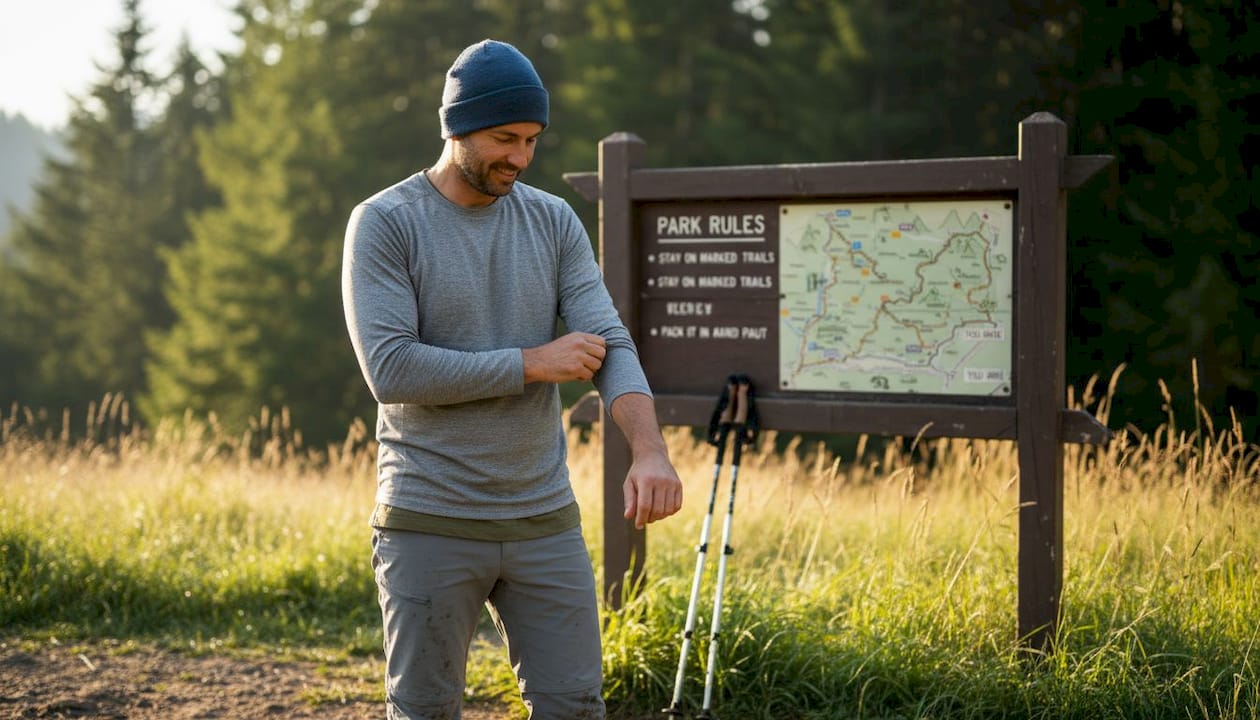
The best outdoor fabrics are breathable, quick-drying, and ideally made with sustainability in mind. Recycled polyester, recycled nylon, merino wool, and organic cotton are the top performers for eco-conscious adventurers. Each has its strengths depending on the activity and climate.
Here’s how the main materials stack up:
| Material | Breathability | Drying time | Sustainability |
|---|---|---|---|
| Recycled polyester | High | Very fast | Good (recycled) |
| Recycled nylon | High | Fast | Good (recycled) |
| Merino wool | Very high | Moderate | Excellent (natural) |
| Organic cotton | Moderate | Slow | Excellent (natural) |
| Standard cotton | Low | Very slow | Poor |
Merino wool is a standout. It regulates temperature naturally, resists odor, and feels soft against skin. It’s ideal for cooler climates and multi-day trips where you’re not washing clothes daily. Organic cotton is great for casual park sightseeing but struggles when you’re working up a sweat.
For sun protection, look for fabrics with a UPF (ultraviolet protection factor) rating. UPF 50+ blocks over 98% of UV rays. Key recommendations:
- Long-sleeve shirts in recycled polyester with UPF 50+
- Lightweight merino layers for shoulder season hikes
- Eco-friendly graphic tees in organic cotton blends for casual days
- Wide-brim hats in recycled materials for face and neck coverage
Pro Tip: When shopping for outdoor apparel, check for certifications like GOTS (Global Organic Textile Standard) or bluesign. These labels confirm that the brand is actually following through on sustainability claims, not just using it as a marketing word.
Choosing better materials isn’t just good for the planet. It means your clothes last longer, perform better, and feel more comfortable on every adventure.
Outfit layering: Adapting to park climates
Even in summer, national parks throw weather surprises at you. A morning hike in the mountains can start at 45°F and hit 80°F by noon. Coastal trails shift from foggy and damp to bright and warm within an hour. Layering is how you handle all of it without overpacking.
The layering system for variable park weather works in three stages:
- Base layer: This sits against your skin. Its job is moisture management. Look for merino wool or recycled polyester that pulls sweat away from your body. Avoid standard cotton here. It holds moisture and gets cold fast.
- Mid layer: This is your insulation. A lightweight fleece or down vest traps body heat when temperatures drop. It should be easy to pack into a bag when you don’t need it.
- Outer layer: Wind and rain protection. A packable shell jacket is the go-to. It doesn’t need to be heavy. Just windproof and water-resistant enough to handle a quick storm or ridge-top gusts.
Here’s how to match your layers to different park environments:
| Environment | Base layer | Mid layer | Outer layer |
|---|---|---|---|
| Desert | Lightweight recycled poly | Optional vest | Light windbreaker |
| Mountain | Merino wool | Fleece jacket | Waterproof shell |
| Forest | Organic cotton blend | Zip-up fleece | Packable rain jacket |
| Coastal | Recycled poly | Light down vest | Wind-resistant shell |
Think about a real day in a mountain park. You start the trail at 7am in a base layer and fleece. By 10am, the sun is full and you’ve stripped to your base layer. At sunset on the ridge, that windproof shell comes out of your pack and saves the evening. Three pieces, one bag, all-day comfort.
Layering also connects to sustainability. When you pack smart, you pack less. Fewer pieces means less waste, less weight, and less laundry on the road. A well-chosen park-inspired t-shirt as your base layer can pull double duty as a casual camp look too.
Curated outfit ideas for every adventure
Now let’s put it all together. Here are four ready-to-wear outfit ideas built around real outdoor settings.
Desert hike
- Lightweight recycled poly tee in rust or terracotta
- Stretch hiking pants in camel or sand
- Packable windbreaker in olive
- Trail runners with ankle support
- Wide-brim hat and UV-blocking sunglasses
Forest camping
- Merino wool long-sleeve base in forest green
- Cargo pants in dark brown or charcoal
- Zip-up fleece in sage
- Waterproof hiking boots
- Beanie and packable rain jacket
National park sightseeing
For a more relaxed day walking viewpoints and visitor centers, iconic park graphics on a quality tee are a great anchor piece. Pair with a canyon landscape tee as a swap option and you’ve got two looks from minimal packing. Add stretch chinos, clean sneakers, and a lightweight bomber for a look that works from trail to town.
Coastal trail
Coastal hikes call for layers that handle wind and salt air. An ocean-inspired outfit built around navy, seafoam, and sandy neutrals fits the environment perfectly. Add a moisture-wicking base, a light down vest, and a wind shell for the gusts off the water.
“Match your palette to the landscape for memorable travel photos. The environment becomes your backdrop, not your competition.”
For trip flexibility, build a capsule wardrobe of 6 to 8 pieces that all mix and match. Stick to one color family. Every top should work with every bottom. That’s earth tones for photos and real-life adventures.
Why intentional outfit choices transform your adventure
Here’s something most people don’t think about: your outfit affects how you feel in a place, not just how you look. When you’re dressed in something that fits the environment, you feel like you belong there. That’s not a small thing.
We’ve seen it over and over. Someone shows up to a trailhead in a bright logo tee and stiff jeans. They’re uncomfortable, self-conscious, and constantly adjusting. Someone else walks out in a coordinated, functional kit. They move freely. They stay longer. They get the better photos.
Intentional dressing is also a form of respect for the places you visit. Choosing sustainable materials means you’re not contributing to the pollution that threatens the landscapes you love. That matters.
The goal isn’t a perfect outfit. It’s a thoughtful one. Pick pieces that reflect where you’re going and how you want to feel. Express yourself through color and graphics. Wear something that means something to you. That’s authentic outdoor style in its truest form. Live Wild.
Explore nature in style with Live Wild
Ready to take your outfit ideas from planning to reality? At Live Wild, we make it easy to build looks that are functional, sustainable, and genuinely connected to the places you love.
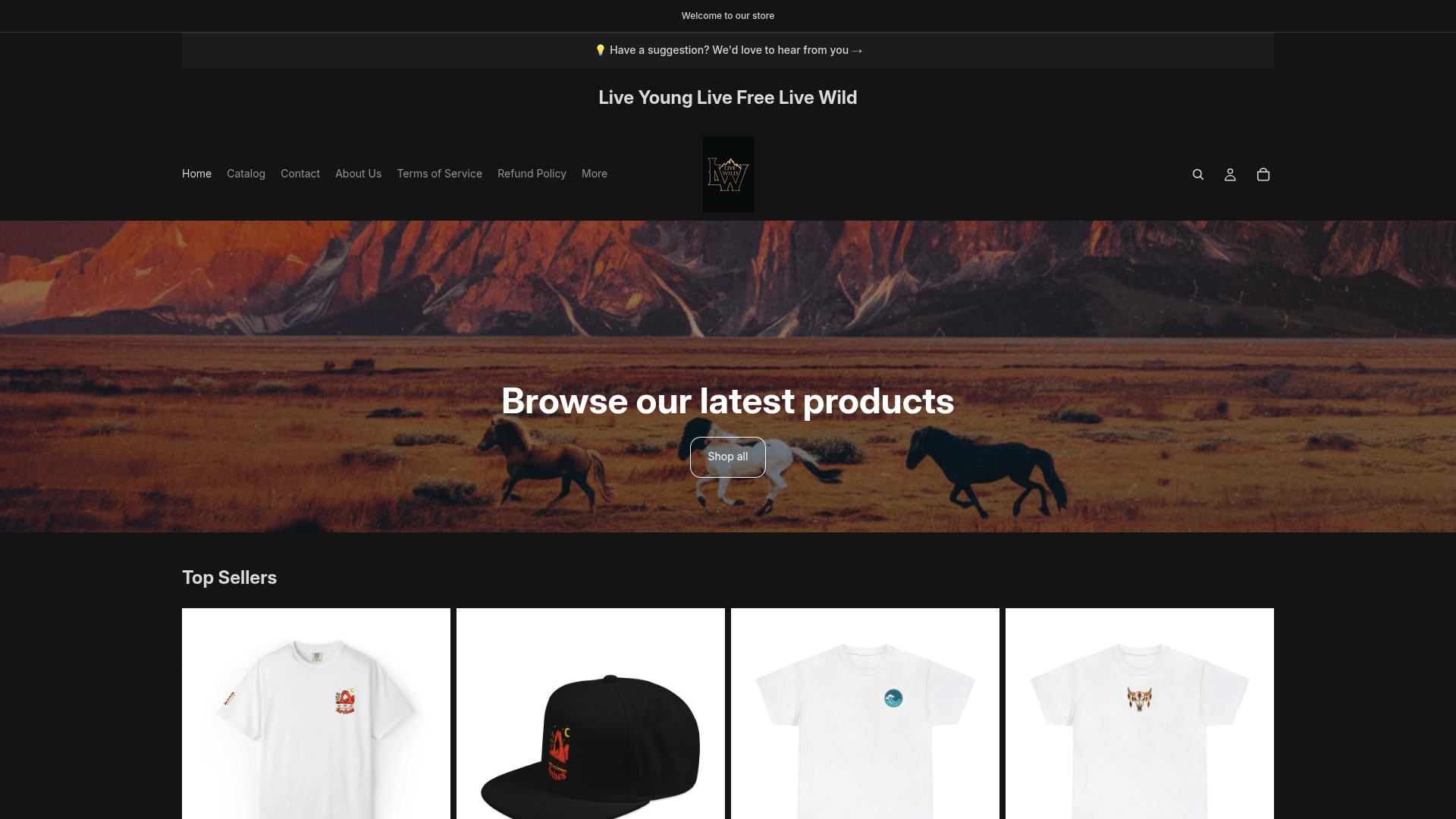
From the Desert Bloom Tee to The Ocean Is Calling Tee, every piece in our collection is designed to feel like your favorite place in nature. Browse the full Live Wild collection and find the pieces that speak to your wild spot. Wear it. Live it. Live Wild.
Frequently asked questions
What colors work best for nature-inspired outfits in national parks?
Earthy greens, warm browns, rust, sage, camel, and neutrals are ideal for blending with most park landscapes and creating cohesive outdoor looks.
How do you layer clothes for unpredictable weather outdoors?
Use a moisture-wicking base layer, an insulating mid layer like fleece, and a windproof or rainproof outer shell to adapt to changing conditions throughout the day.
What fabrics are most eco-friendly and practical for nature-inspired styles?
Recycled polyester, merino wool, and organic cotton offer the best combination of breathability, quick-drying performance, and low environmental impact.
How can I make my outdoor outfit look good in photos?
Coordinate your outfit’s color palette with the landscape. Use rust and terracotta for red rock environments, or greens and browns for forest settings, so the scenery frames rather than competes with your look.
Recommended
- Desert Bloom T-Shirt — Retro Sun, Cactus & Floral Graphic Tee – Live Wild
- Desert Vista T-Shirt — Minimal Canyon Landscape Tee (Front ‘southwest’ – Live Wild
- The Ocean Is Calling T-Shirt — Sea Creature Graphic Tee – Live Wild
- Sea Turtle Graphic Tee — “Life Is Better At The Sea” Casual Beach T-Sh – Live Wild